Essential Guide from First Trimester to Postpartum Support (2025)
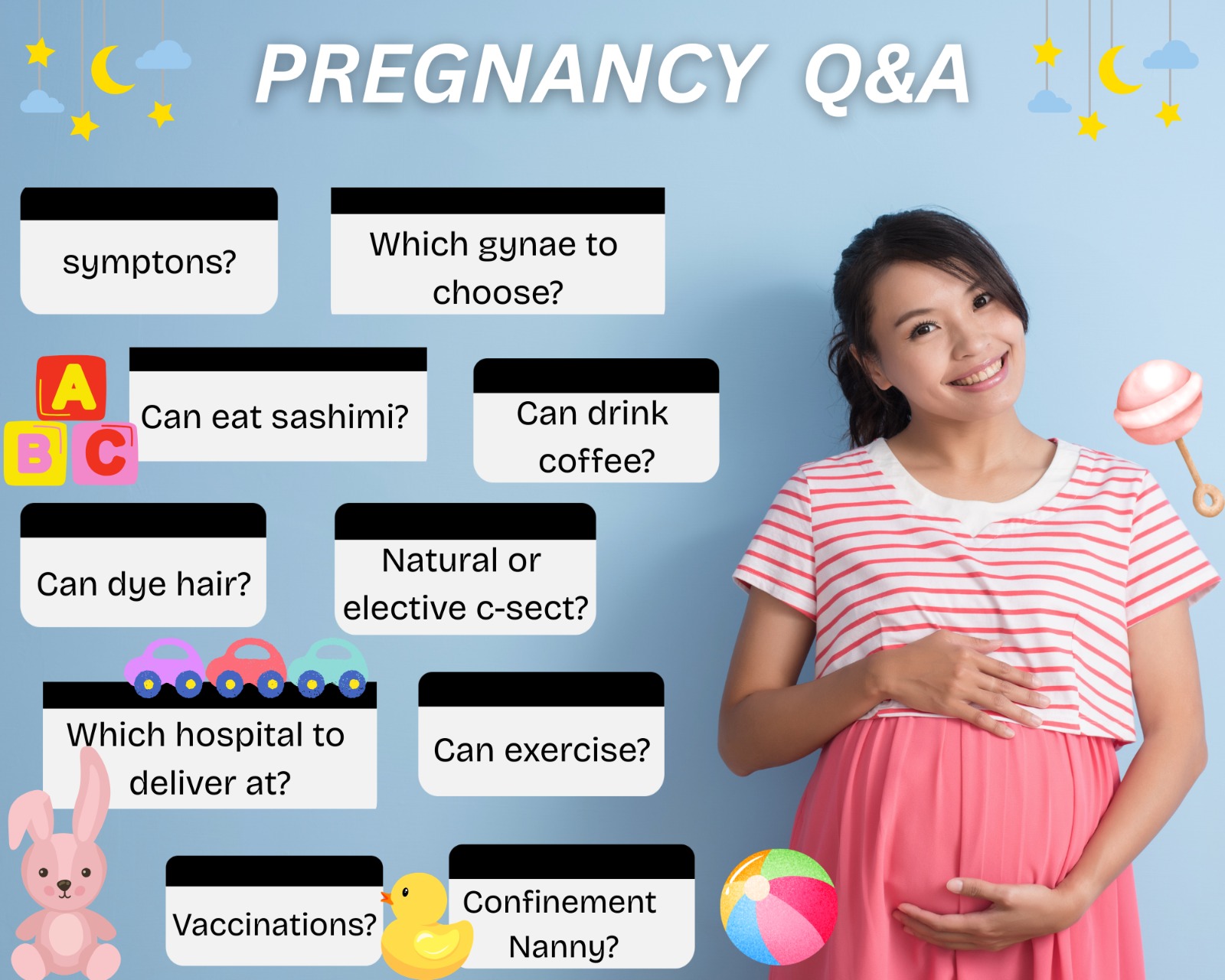
Whether you’re a first-time mum or growing your family, navigating pregnancy in Singapore can feel overwhelming. Here’s a consolidated list of the most frequently asked questions by pregnant mothers, covering everything from antenatal appointments to postpartum care—including support from confinement nannies in Singapore.
First Prenatal Appointment: Key Questions
Q: How is my Estimated Due Date (EDD) calculated?
A: Your EDD is based either on your Last Menstrual Period (LMP) or an early dating scan done between 8–10 weeks of pregnancy.
Q: What routine tests will I undergo during pregnancy in Singapore?
A: Common screenings include blood group, HIV, Hepatitis B, rubella immunity, anemia, thalassemia, and Down Syndrome screening (FTS/NIPT).
Q: Which supplements should I be taking?
A: Most doctors recommend folic acid, iron, calcium, and DHA. These support fetal development and reduce birth defect risks.
Q: Are there lifestyle changes I need to make?
A: Yes—avoid smoking, alcohol, raw or undercooked food, and reduce stress. Prioritize rest, hydration, and balanced meals.
Q: What are safe and unsafe foods for pregnant women in Singapore?
A: Avoid sashimi, soft cheeses (unpasteurized), raw eggs, liver, and caffeine over 200mg daily. Safe foods include whole grains, lean meats, vegetables, and dairy.
Antenatal Testing & Monitoring
Q: What pregnancy tests and scans are done, and when?
A:
- Weeks 8–12: Dating scan
- Week 20: Detailed fetal anomaly scan
- Weeks 24–28: Gestational diabetes test
- Week 36–38: Group B Strep (GBS) swab
Q: How accurate are antenatal tests like NIPT?
A: Non-Invasive Prenatal Testing (NIPT) is up to 99% accurate for detecting chromosomal conditions like Down Syndrome. Other screenings provide risk assessments, not definitive diagnoses.
Managing Pregnancy Symptoms
Q: What symptoms are common, and what should I worry about?
A: Normal: nausea, fatigue, swelling, heartburn.
Warning signs: heavy bleeding, blurred vision, severe headaches, reduced fetal movement, or fluid leakage—seek immediate medical attention.
Q: What local remedies or self-care methods can help?
A: Ginger tea for nausea, warm compresses for aches, and prenatal massages (after 14 weeks) are popular options among Singapore mums.
Q: Are beauty or wellness treatments safe during pregnancy?
A: Safe: Haircuts, gentle facials.
Avoid: Chemical hair dyes, retinoid-based skincare, and strong peels.
Pregnancy Diet, Nutrition & Exercise
Q: What foods should I eat more of, and what should I avoid?
A:
- Eat more: leafy greens, salmon, eggs, whole grains, lean meats.
- Avoid: high-mercury fish (e.g., swordfish, mackerel), raw shellfish, alcohol, and unpasteurized dairy.
Q: How many extra calories should I consume?
A:
- 2nd trimester: +300 kcal/day
- 3rd trimester: +500 kcal/day
Q: What are safe exercises during pregnancy?
A: Walking, swimming, and prenatal yoga are excellent low-impact options. Avoid contact sports or high-risk activities.
Postpartum Care & Support in Singapore
Q: What postpartum support options are available?
A: Many new mums hire a confinement nanny in Singapore to assist with baby care, nutritious meals, and breastfeeding support. Other options include TCM, lactation consultants, and confinement meal delivery services.
Q: How do I register my newborn in Singapore?
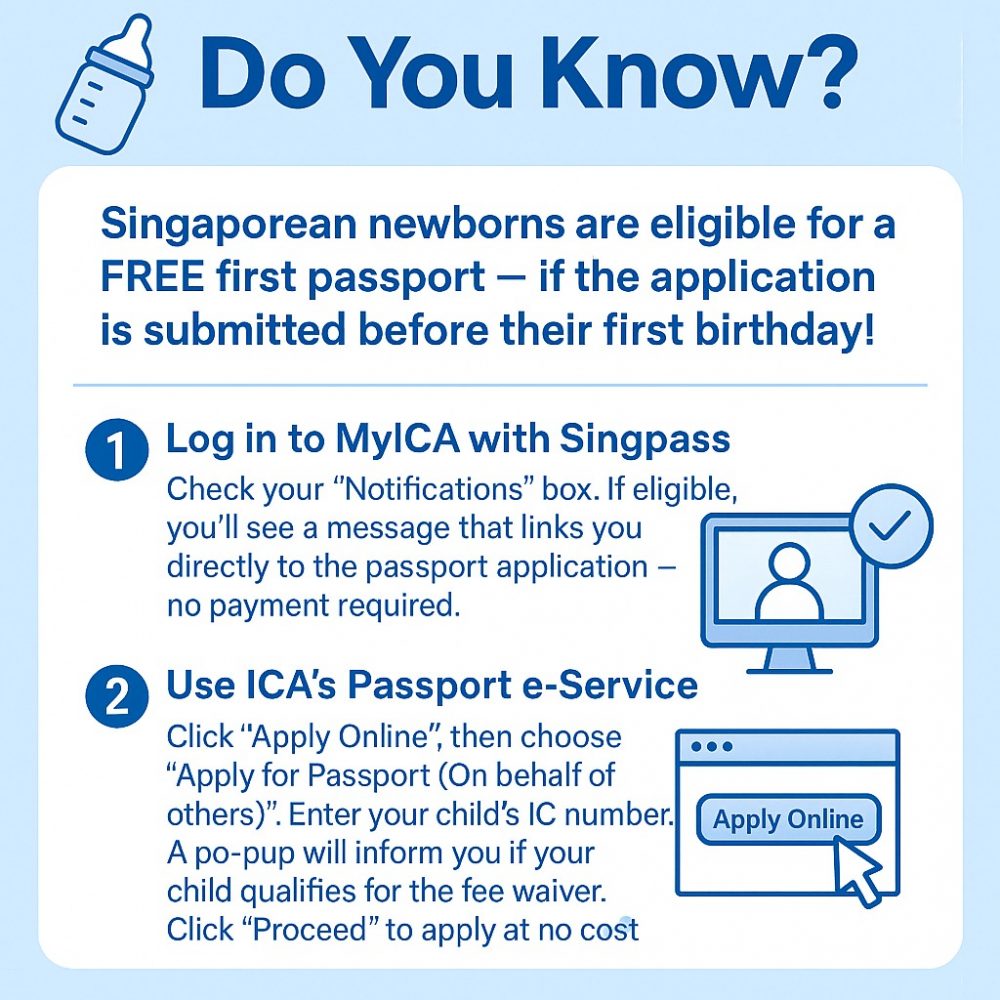
A: Register your baby’s birth within 14 days at the hospital or via ICA’s e-service within 42 days of delivery.
Q: What is the vaccination schedule for newborns?
A:
- At birth: BCG and Hepatitis B
- Follow-up: 5-in-1 (DTPa/IPV/Hib), pneumococcal, MMR at regular intervals at polyclinics or paediatric clinics.
Pregnancy Care Choices in Singapore
Q: Should I choose a public or private hospital for delivery?
A: Public hospitals (KKH, NUH, SGH) offer subsidised care; private hospitals (TMC, Mount Alvernia, Mount Elizabeth) offer shorter wait times, dedicated doctors, and premium maternity suites.
Q: What’s the difference between a gynae-led vs team-based approach?
A: In private care, you choose a personal gynaecologist. In public hospitals (subsidised route), doctors rotate, and you may not have the same one for delivery.
Q: How do I choose a gynaecologist in Singapore?
A: Consider experience, hospital affiliation, delivery style (natural vs C-section), patient reviews, and proximity. Many prefer OB-GYNs from Mount A, TMC, or NUH.
Pregnancy & Maternity Costs in Singapore
Q: What’s the cost of delivery in Singapore?
A:
- Public hospitals: $1,200–$4,000 (with subsidies)
- Private hospitals: $8,000–$15,000 depending on room type and delivery method
Q: Can I use MediSave for maternity costs?
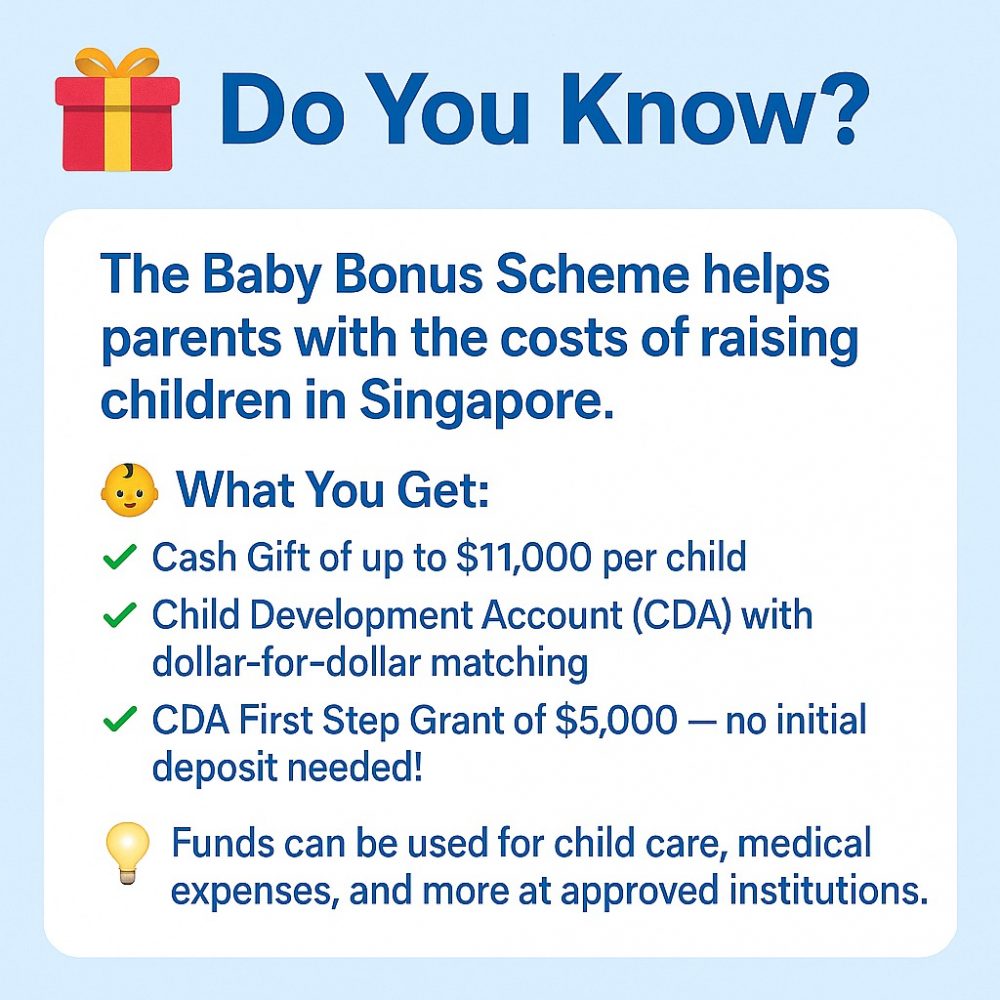
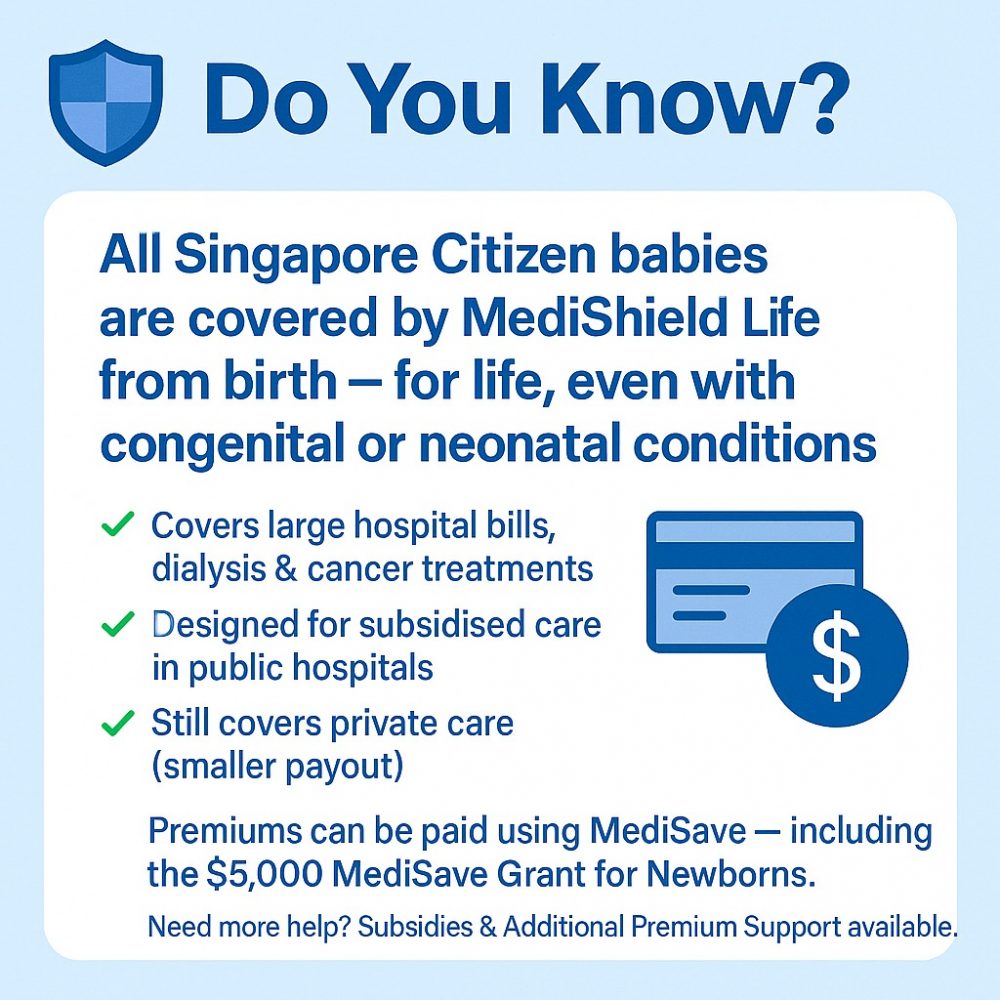
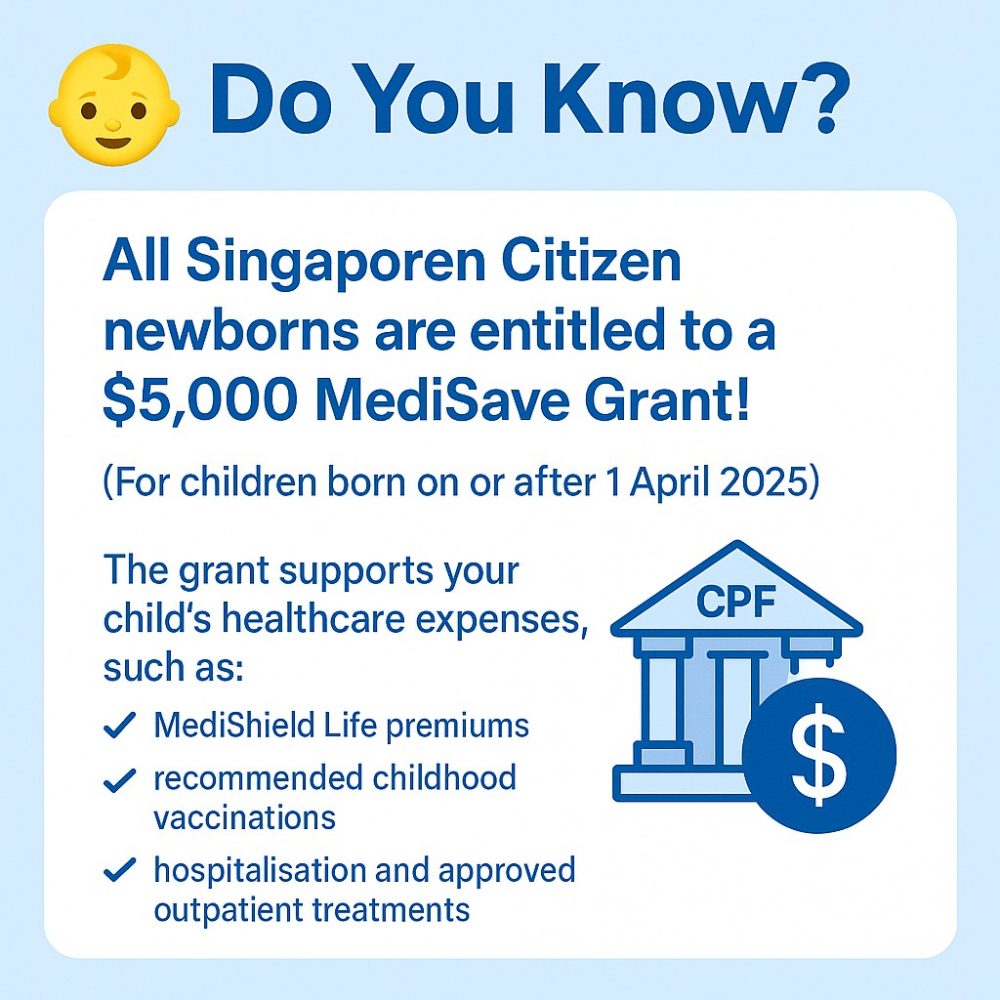
A: Yes. Up to $900 for prenatal care and $3,000 for delivery under the MediSave Maternity Package.
Q: Is maternity insurance worth it?
A: Yes, especially if you want to be covered for complications like gestational diabetes, pre-eclampsia, or congenital conditions. Popular plans include AXA, AIA Mum2Baby, and OCBC MaxMaternity.
Birth Plan & Delivery FAQs
Q: What’s the difference between natural birth, epidural birth, and C-section?
A:
- Natural birth: No pain meds, faster recovery.
- Epidural: Pain relief during labor.
- C-section: Surgical, longer recovery, may be planned or emergency.
Q: When should I go to the hospital?
A: When contractions are 5 minutes apart, water breaks, or if you see a bloody “show.”
Q: What’s a birth plan and should I have one?
A: A birth plan outlines your preferences for labor, pain relief, and newborn care. It helps align expectations with your care team.
Confinement & Newborn Care
Q: What does a confinement nanny do?
A: A confinement nanny in Singapore supports new mothers during the first 28–44 days after birth. She helps with baby care, cooking confinement meals, night feeds, laundry, and emotional support.
Q: How early should I book a confinement nanny?
A: At least 3–6 months in advance. Peak periods like Lunar New Year get booked very early or if you have a specific nanny for booking.
Q: What’s the cost of hiring a confinement nanny in Singapore?
A: Ranges from $3,600 – $4,600, depending on experiences, duration, if required to climb stairs, share room or speak fluent English/Malay.
Q: Can I get government grants or subsidies for a confinement nanny?
A: No direct grants, but you can use MediSave for delivery costs, and Parenthood Tax Rebate may apply.
Baby Essentials & Planning Ahead
Q: What baby items should I prepare before birth?
A:
- Baby essentials: Clothes, diapers, swaddles, cot, stroller, car seat, milk bottles
- Mummy care: Breast pump, maternity pads, nursing bras, confinement herbs or soups
Q: Do I need a baby car seat in Singapore?
A: Yes, it’s mandatory by law for newborns and children in private vehicles.