A Singapore Parents’ Guide
When I became a parent for the first time, I still remember how lost I felt after my confinement nanny left.
During confinement, everything felt guided — feeding, bathing, routines, reassurance. But once the nanny left, the house became quieter… and suddenly, the doubts became louder.
At that time, I didn’t understand terms like:
- 二月闹 (The Two-Month Fuss) — emotional and sensory adjustment, more crying
- 三月稳 — more interaction, but routines still forming
- 四月变 — developmental leap and sleep changes
All I knew was that my baby cried through the night. I carried him desperately, exhausted and unsure, not knowing what I was doing wrong.
It was only later — through conversations with other experienced confinement nannies — that I learnt this was a very common developmental phase, often referred to as the two-month fuss.
If this sounds familiar, you’re not alone.
Gastro-Cramps: One of the Biggest Triggers for New Parent Panic
One of the most common reasons babies cry intensely in the early months is gastro-cramps.
What Are Gastro-Cramps?
Gastro-cramps in newborns refer to abdominal discomfort caused by an immature digestive system. They are common in the first few months and often overlap with gas pain or colic-like symptoms.
Common signs include:
- Pulling knees towards the tummy
- Sudden crying, especially after feeds or in the evening
- Body stiffening or arching
- Passing gas with discomfort
- Settling after burping or bowel movement
In most cases, gastro-cramps are normal and temporary, not a medical emergency.
However, when confinement support has ended, these episodes can easily push new parents into panic mode.
Life After Confinement: A Different Phase Begins
After confinement ends, many parents expect to feel confident and settled.
In reality, a different phase begins — one filled with new questions, quiet worries, and countless “what ifs”.
As a Singapore confinement agency supporting families every day, we often hear this:
“I didn’t realise how anxious I would feel after confinement.”
If you’re feeling this way, you’re not alone.
Here are the top 5 things parents commonly worry about after the confinement nanny leaves, especially in the first few months.
- Parenting Confidence After Confinement Support Ends
During confinement, parents receive daily guidance — on feeding, bathing, baby care, and recovery.
Once it ends, many parents start wondering:
- Am I caring for my baby correctly?
- What if I miss important signs?
- Who do I ask now?
This is one of the most common concerns among first-time parents in Singapore.
✅ What helps:
Confidence grows through experience, not perfection. Feeling unsure doesn’t mean you’re failing — it means you’re learning.
- Baby Safety at Home (As Baby Becomes More Active)
Babies develop quickly — rolling, kicking, wriggling, and eventually crawling.
Common worries include:
- Baby falling from bed or changing table
- Accidental bumps or knocks at home
- Slippery floors or hot water during bathing
These concerns often surface after confinement, when parents are managing independently.
✅ What helps:
Baby-proof gradually and stay alert to changes in movement. Safety is not about fear — it’s about awareness.
- Health Concerns & Emergency “What If” Scenarios
As families start going out more for vaccinations and clinic visits, parents may worry about:
- Sudden illnesses (HFMD, Dengue, etc.)
- Accidents outside the home
- Emergency hospital visits
This is especially common for parents navigating Singapore’s healthcare system with a newborn for the first time.
✅ What helps:
Knowing where to seek help and understanding available medical support reduces panic and builds confidence.
- Sleep Deprivation, Fatigue & Emotional Burnout
Confinement provides structure and rest. Once it ends, parents may struggle with:
- Broken sleep and night feeds
- Physical exhaustion
- Balancing work, older children, and household responsibilities
Many parents quietly worry they’re not coping “well enough”.
✅ What helps:
Fatigue does not mean failure. Emotional burnout is common after confinement. Asking for help is a sign of responsibility, not weakness.
- “Did We Miss Anything Important?”
This worry often appears weeks later:
- Did we prepare enough?
- Did we overlook something crucial?
- Are we always reacting instead of planning?
These thoughts may relate to routines, baby safety, health matters, or future planning.
✅ What helps:
Parenting isn’t about having everything figured out early. Staying informed and adjusting along the way is what truly matters.
A Reassuring Note for New Parents
Worrying doesn’t mean you’re unprepared.
It means you care deeply about your child.
Remember:
- You’re not alone
- It’s okay to ask questions
- There is no such thing as a “perfect” parent
Founder’s Note – STAR Confinement Singapore
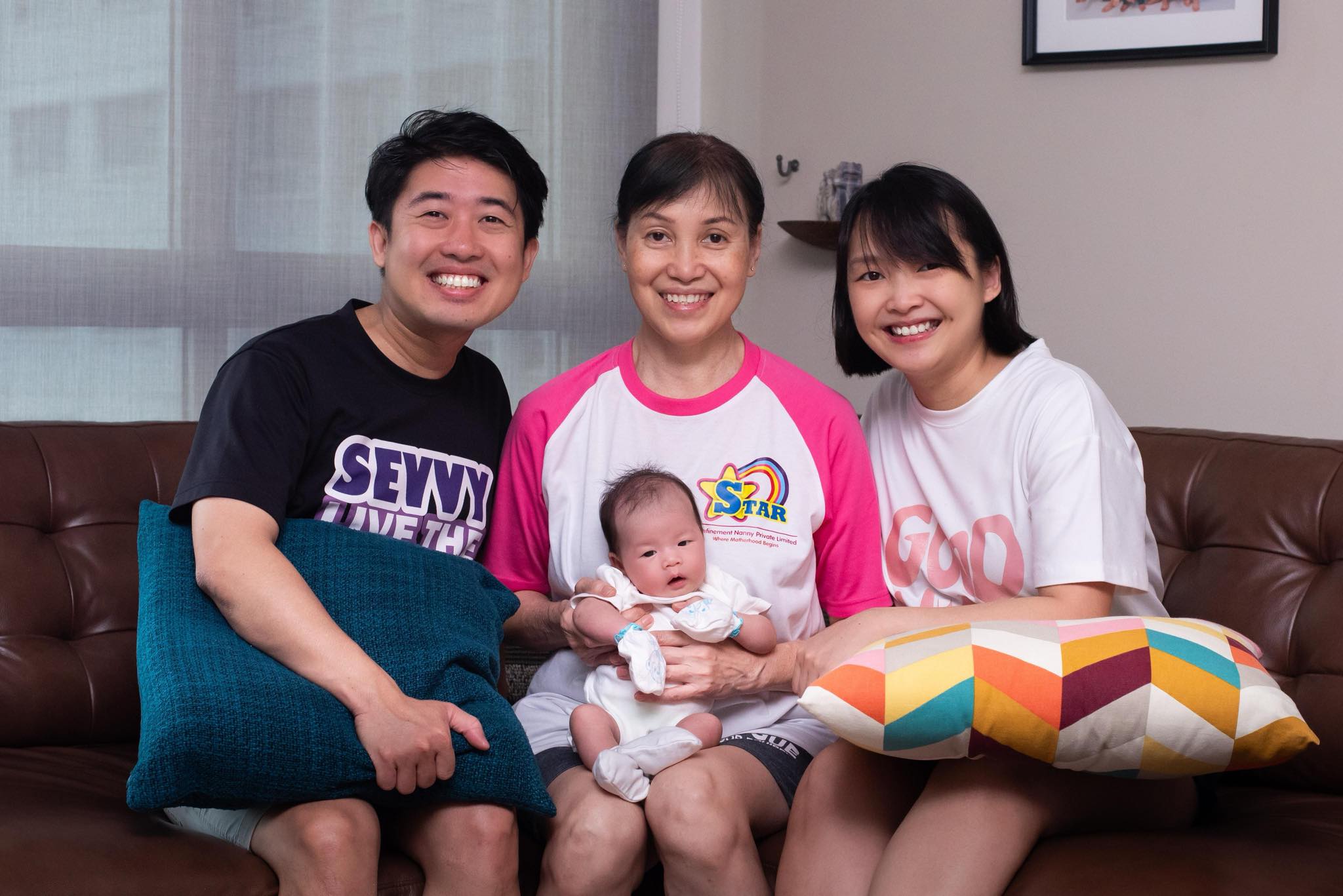
As the founder of STAR Confinement Singapore, and a mum myself, I’ve spoken to countless parents navigating life after confinement. Many of these worries are shared quietly — but they are incredibly common.
Parenthood doesn’t suddenly become easy after confinement ends. It simply changes. What parents need most during this phase isn’t pressure or perfection — it’s reassurance, guidance, and knowing that support is still available.
If you’re feeling uncertain, tired, or overwhelmed, please know this:
you’re doing better than you think.
At STAR Confinement, our role has always been more than just the confinement period — it’s about walking alongside families as they grow into confident parents, one stage at a time.
Recommended Support Group for Parents After Confinement
Having the right support circle can make a meaningful difference.
- Family & trusted caregivers who offer emotional safety
- Parenting support groups that normalise shared experiences
- Healthcare professionals you trust
- Experienced infant & childcare professionals
- Emotional & mental well-being support
- A reliable post-confinement points of contact
A strong support circle doesn’t remove all worries —
it reminds you that you don’t have to face them alone.
Make STAR a Part of Your Village
Parenthood was never meant to be done alone.
Make STAR Confinement a part of your village.
Our experienced nannies have cared for babies from the newborn stage through toddlerhood (up to 2 years old), and many parents continue to seek their guidance even after confinement ends.- We’ll connect you with one of our experienced nanny.
Whether you need reassurance, practical advice, or simply someone who understands what you’re going through — we’re always here!
Just reach out to us via PM 😊