Introduction
Postpartum confinement, known as “zuo yue zi” in traditional Chinese culture, is a deeply rooted practice in Singapore and other parts of Asia. While some customs are backed by experience and even science, others are outdated or misunderstood. As modern parents, it’s important to separate fact from fiction. Here, we debunk the top 10 most common postpartum myths so new parents in Singapore can make confident, informed decisions during the critical recovery period.
Myth 1: You Cannot Shower or Wash Your Hair for a Month
Truth: Hygiene is essential during the postpartum period. With proper care (e.g., warm water, confinement herbal bath), bathing is not only safe but important to prevent infection and promote comfort. Modern confinement practices recommend maintaining cleanliness to support recovery.
Myth 2: You Must Stay in Bed and Avoid All Movement
Truth: While rest is important, complete immobility can lead to blood clots and delayed recovery. Gentle movement, light stretches, and short walks help with circulation and mental health. Always follow your doctor or confinement nanny’s advice on activity levels.
Myth 3: Cold Air and Cold Water Will Harm Your Health
Truth: The belief that exposure to cold causes chronic health issues is traditional, but not scientifically proven. What matters is avoiding sudden temperature changes and staying warm and comfortable, especially in air-conditioned Singapore homes.
Myth 4: Confinement Food is Just Old Wives’ Cooking
Truth: Confinement meals are carefully curated for their healing properties—rich in iron, protein, and traditional herbs that aid uterine contraction, milk production, and replenishing blood. A well-trained confinement nanny or caterer understands the nutritional needs of postpartum mothers.
Myth 5: You Can’t Drink Plain Water
Truth: Staying hydrated is essential, especially if you’re breastfeeding. While some traditions prefer red date tea or ginger water, plain warm water is perfectly safe and necessary to prevent dehydration.
Myth 6: You Must Not Cry or Feel Sad, or You’ll Be “Weak”
Truth: Postpartum emotions are real. Baby blues and even postpartum depression are common and need to be addressed, not ignored. Seeking emotional support and talking to professionals is a sign of strength—not weakness.
Myth 7: Breastfeeding Is Easy and Natural
Truth: Breastfeeding is natural, but not always easy. It often takes guidance, patience, and sometimes professional help like lactation consultants or experienced confinement nannies. Don’t be discouraged by early struggles.
Myth 8: All Confinement Nannies Are the Same
Truth: The quality and experience of confinement nannies vary widely. In Singapore, many parents turn to reputable agencies that vet, train, and match nannies based on individual family needs. Choosing the right nanny makes a big difference.
Myth 9: Confinement Is Only for Mothers, Not Fathers
Truth: Fathers play a key role too. While mums recover, dads can bond with the baby, support household needs, and even learn newborn care alongside the nanny. Shared parenting creates a stronger family foundation.
Myth 10: One-Size-Fits-All Confinement Rules Apply to Everyone
Truth: Every mother’s body, birth experience, and recovery journey is different. What worked for your mother-in-law or friend might not suit you. Tailoring your confinement based on your needs and comfort is key.
Conclusion
Postpartum confinement is a time to heal, bond, and transition into parenthood. While many traditions hold value, it’s important for today’s parents to adapt them with modern understanding and science. Don’t be afraid to ask questions, seek professional help, and customise your recovery plan.
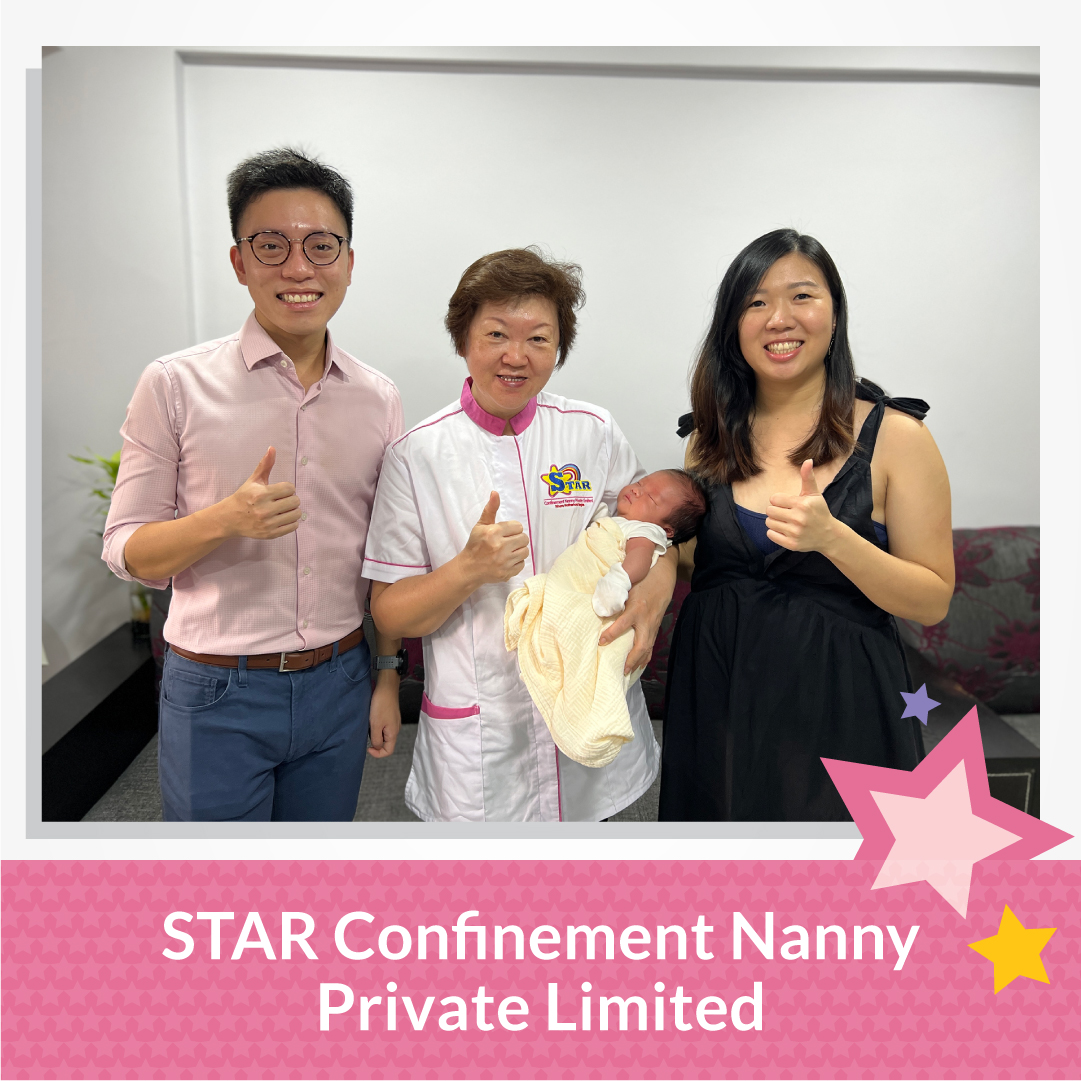
For trusted confinement nanny services in Singapore, visit STAR Confinement Nanny — where tradition meets quality care.